The History of No Needles Knitting Techniques: A Stitch in Time

Knitting without traditional needles isn’t new.
Long before modern knitting patterns, people were creating cords, fabric, and trims using alternative tools and simple looping methods.
Below is a practical overview of the main no needles knitting techniques and where they originated.
Spool Knitting (Corking / French Knitting)
Spool knitting, often called French knitting or knitting nancy, uses a small tool with pegs to create narrow cords (I-cords).
Versions of peg-based cord making appear in different cultures, though the simple wooden spool knitter became especially popular in Europe during the 19th and early 20th centuries.
It was often taught to children as an introduction to textile work.
Spool knitting produces:
I-cords
Decorative trims
Ties and cords
Today, it remains one of the simplest ways to create knitted cord without needles.
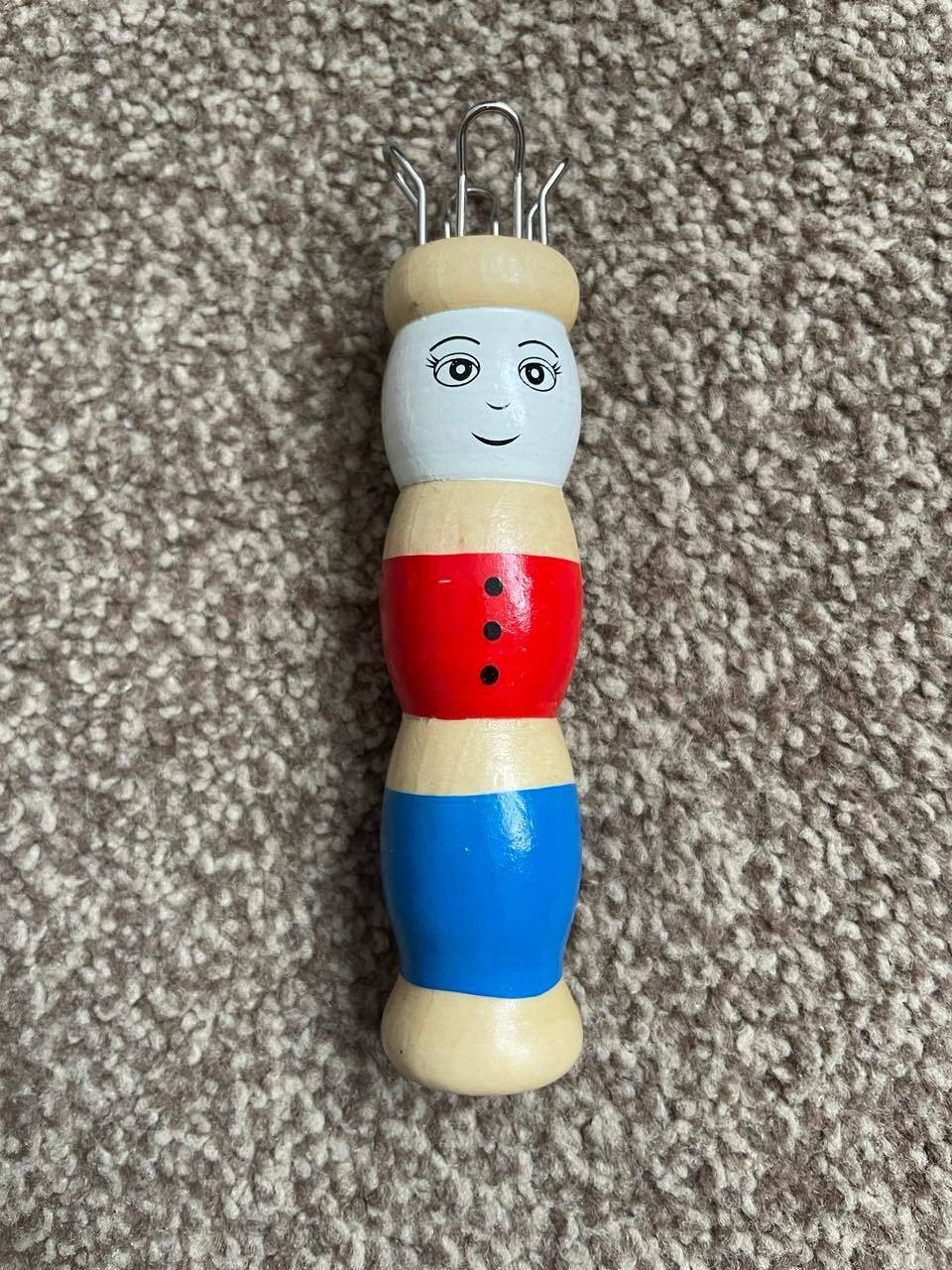
Spool knitters make I-cords which can be used for all manner of unique creations. I think it is a great way to keep an old tradition alive. Here is me using my wooden Knitting Nancy.
Loom Knitting (Peg Knitting)
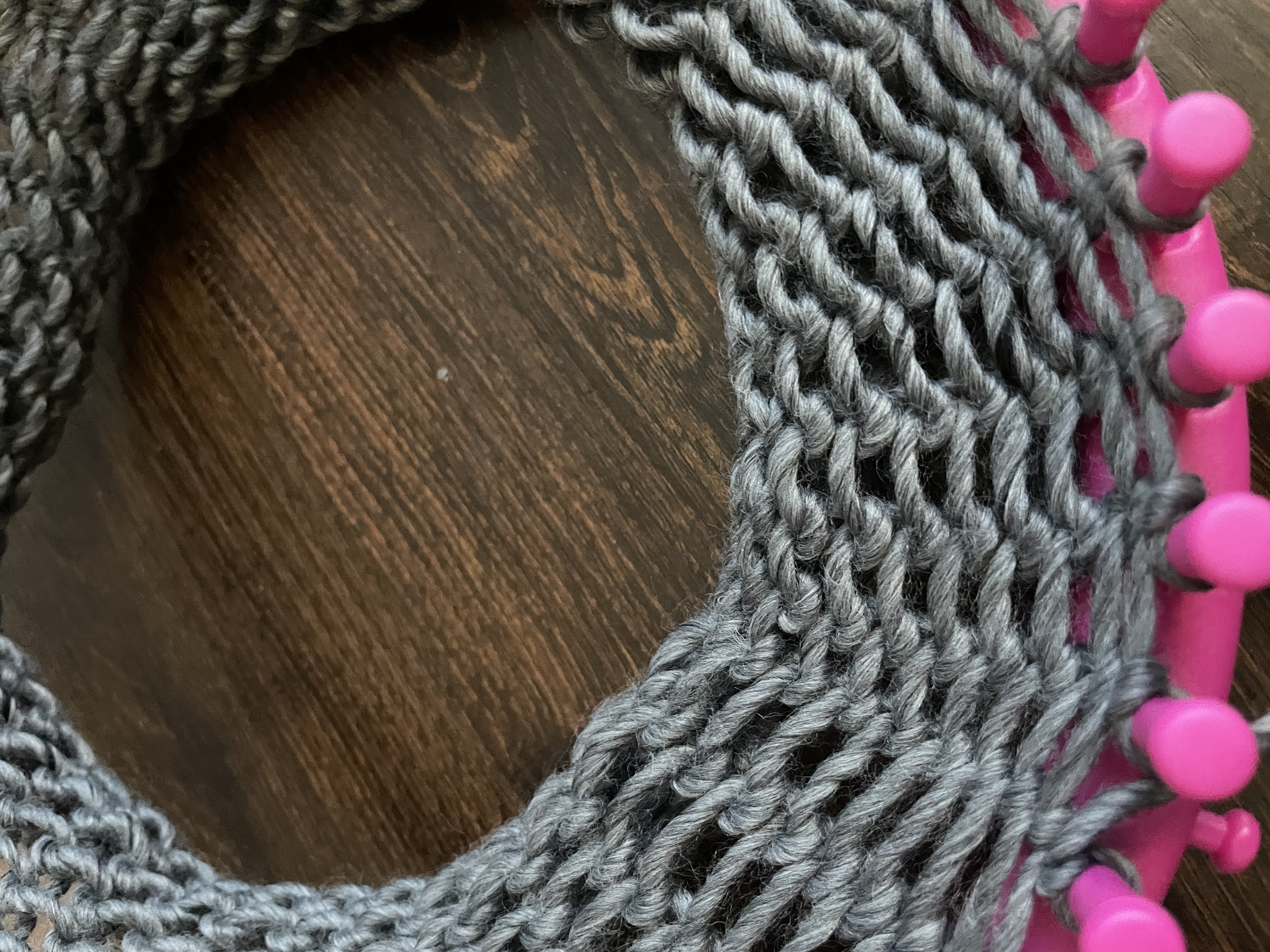
Peg-based knitting methods developed as accessible alternatives to traditional needles.
While early loom-like tools existed in various forms, modern circular and rectangular knitting looms became widely available in the 20th century.
They allow users to:
Create consistent stitches
Knit hats, scarves, and blankets
Work with chunky yarn more easily
Loom knitting became especially popular during craft revivals in the late 20th and early 21st centuries.
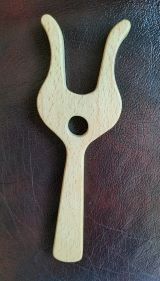
Lucet (Medieval Cord Making Tool)
The lucet is a two-pronged tool used to create strong square cords.
It was widely used in medieval Europe for:
Lacing garments
Drawstrings
Decorative cords
Unlike spool knitting, lucet cords are typically firmer and more square in structure.
Lucets are still used today by historical reenactors and fibre enthusiasts.
Finger Knitting
Finger knitting likely developed independently in multiple cultures as a simple way to create cord without tools.
Because it requires only hands and yarn, it has long been used as an accessible beginner method, especially for children.
Its simplicity is part of its longevity.
Modern Additions: Arm Knitting and Floor Knitting
Arm knitting gained popularity in the early 21st century as oversized yarn became widely available.
Using arms instead of needles allows for:
Large blankets
Chunky scarves
Quick projects
While not historically ancient, it continues the tradition of hand-based textile construction.
Final Thoughts
No needles knitting techniques are not new inventions.
They represent practical adaptations of textile skills across centuries.
From medieval lucets to modern arm knitting, these methods show how fibre crafts continue to evolve while retaining their core principle: forming loops into structure.