Why I chose No Needles Knitting

(And Why It’s Easier for Beginners)
For years, I tried to learn crochet.
I bought hooks. I followed tutorials. I practised.
And I couldn’t get the tension right.
I know every craft takes time to learn — but crochet never clicked for me.
No needles knitting did.
And that difference is worth talking about.
Why Traditional Fibre Arts Can Feel Difficult
Crochet and traditional knitting require:
Precise tension control
Coordinated hand movements
Understanding stitch structure early on
For some people, that learning curve feels manageable.
For others, it’s frustrating.
If your tension is off, everything feels wrong.
That’s where no needles knitting offers a different entry point.
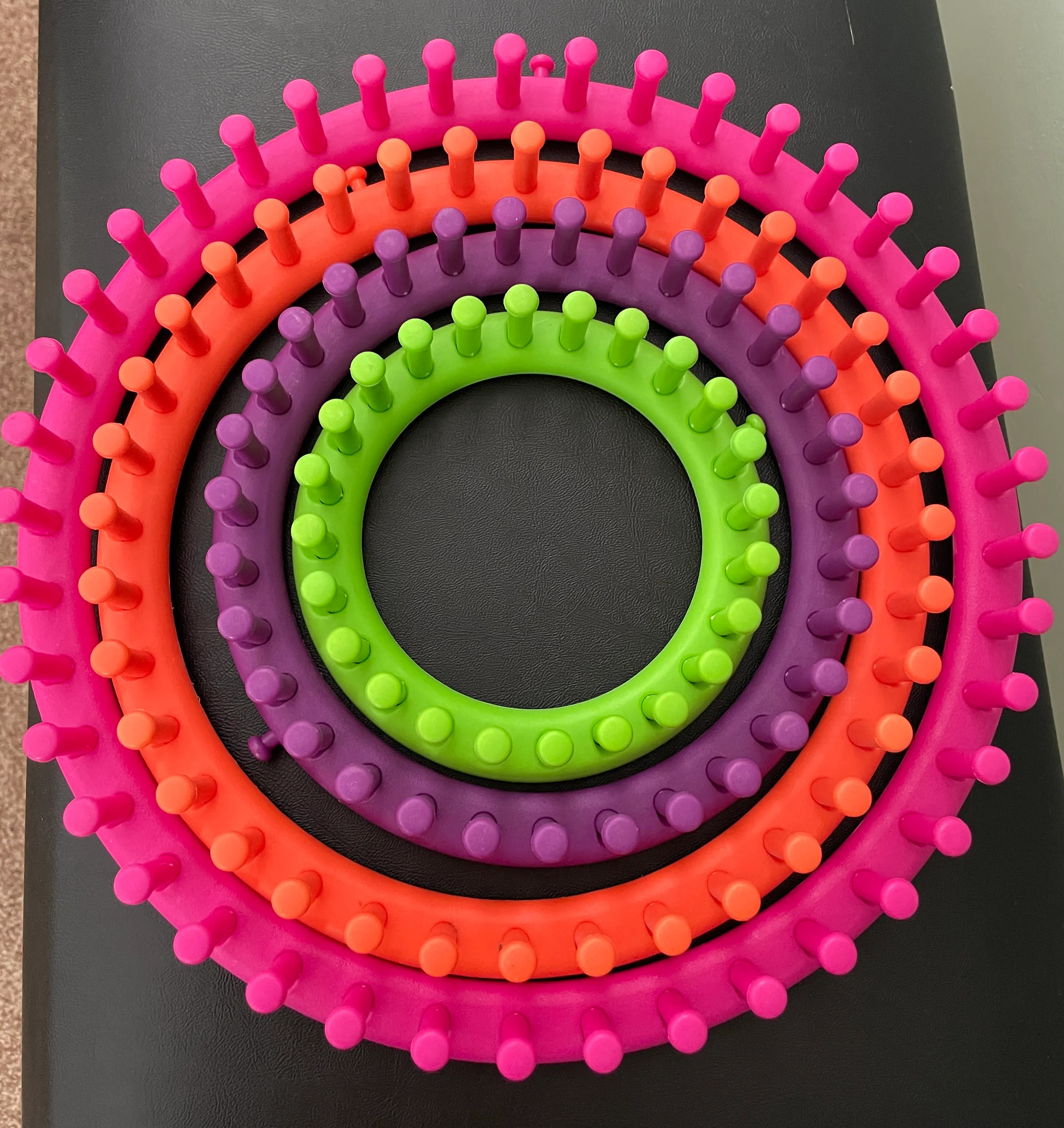
No needles techniques often:
Use larger movements
Work with chunkier yarn
Create visible progress quickly
Reduce fine-motor precision
Using a loom or your fingers simplifies the mechanics.
You’re still forming loops — but in a more controlled way.
For beginners, that makes a real difference.
Accessible for Different Ages and Abilities
No needles knitting works well for:
Children
Older adults
People who struggle with fine motor precision
Beginners who feel intimidated by hooks or needles
Because many techniques use larger tools or just your hands, the barrier to entry is lower.
Projects That Suit No Needles Knitting
These methods work especially well for:
Blankets
Hats
Scarves
Shawls
Cords and accessories
Chunky yarn and repetitive motion make these projects manageable.
A Note on Yarn Choices
No needles knitting works particularly well with:
Chunky yarn
T-shirt yarn
Bulky fibres
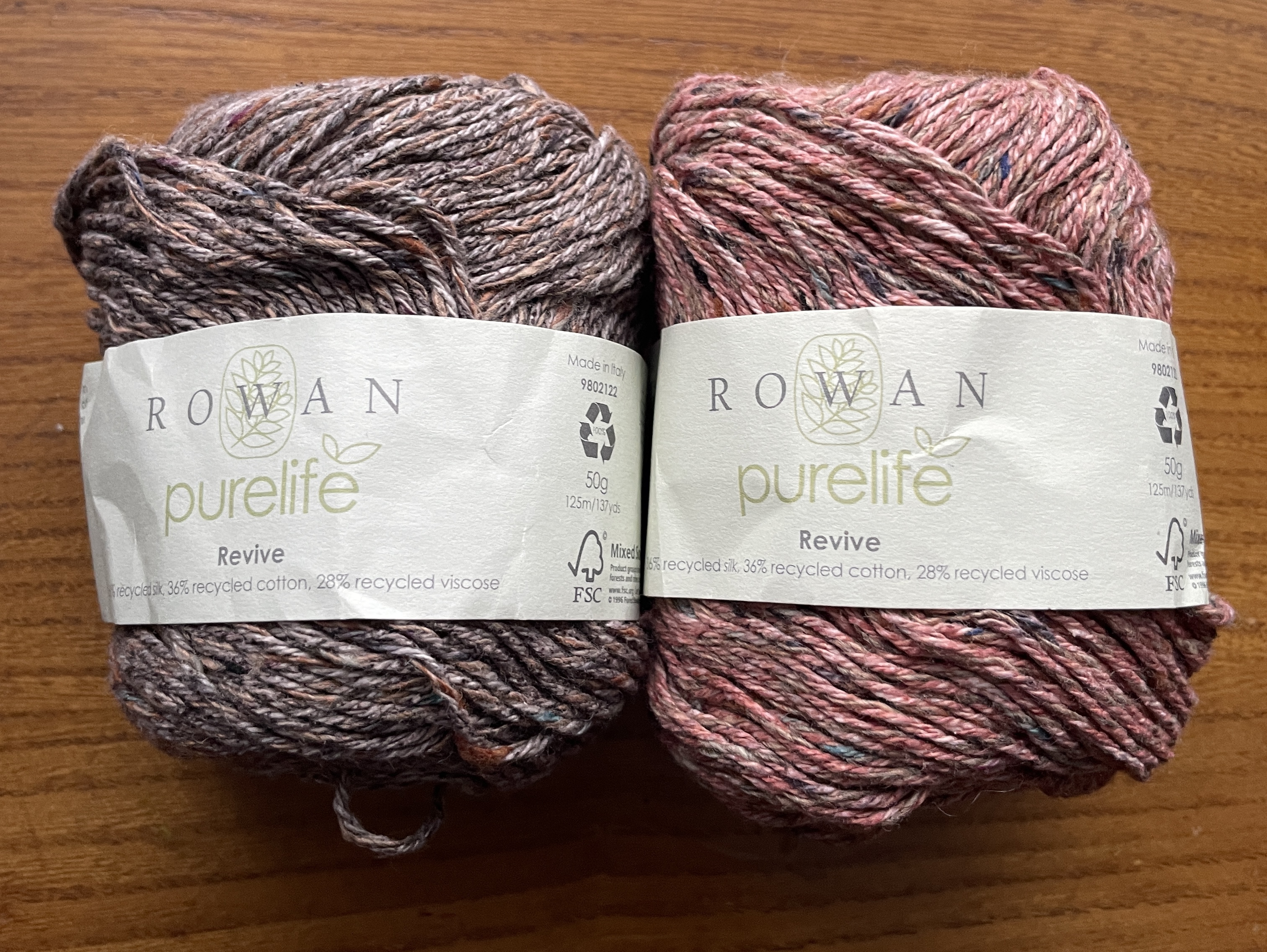
If sustainability matters to you, there are eco-friendly options available — but the most important factor for beginners is thickness and softness.
Final Thoughts
No needles knitting isn’t “better” than crochet or traditional knitting.
It’s different.
For some people, it simply clicks more easily.
If you’ve tried crochet or knitting and felt frustrated, exploring no needles techniques may offer a more approachable starting point.
You can find my beginner tutorials on YouTube here.