Yarn Weights Explained (UK and US Guide for No Needles Knitting

If you’re new to no needles knitting, yarn weights can feel confusing.
Lace, DK, aran, chunky… what does it all mean?
This guide breaks down UK yarn weights, US equivalents, and how to choose the right weight for your project.
Yarn Weights in the UK
In the UK, yarn is commonly classified as:
Lace
2-ply
3-ply
4-ply
Double Knitting (DK)
Aran
Chunky
Super Chunky
These range from fine, lightweight yarns to thick, bulky fibres.
UK Yarn Weights Explained
Lace (0–1)
Very fine yarn used for delicate shawls and lightweight projects.
Not usually suitable for beginners in no needles knitting due to its thinness.
4-ply / Fingering (1–2)
Lightweight yarn often used for socks and fine garments.
Better suited to smaller tools or lucet work rather than arm knitting or loom knitting.
Sport (2–3)
Slightly thicker than 4-ply.
Can work for small loom projects but may feel fiddly for beginners.
Double Knitting (DK) (3–4)
One of the most common UK yarn weights.
Suitable for:
Loom knitting
Spool knitting
Smaller accessories
Offers a balance of structure and flexibility.
Aran / Worsted (4–5)
Heavier than DK and good for:
Hats
Cowls
Small blankets
Works well for loom knitting and some arm knitting.
Chunky / Bulky (5–6)
Ideal for beginners.
Easier to see stitches and control tension.
Great for:
Arm knitting
Large loom projects
Quick scarves
Super Chunky / Super Bulky (6–7)
Very thick yarn for oversized projects.
Best suited to:
Arm knitting
Floor knitting
Large statement pieces
UK to US Yarn Weight Equivalents
UK and US terminology is similar but sometimes labelled differently.
DK (UK) = Light Worsted (US)
Aran (UK) = Worsted (US)
Chunky (UK) = Bulky (US)
Super Chunky (UK) = Super Bulky (US)
Always check the number category (0–7) on the label for clarity.
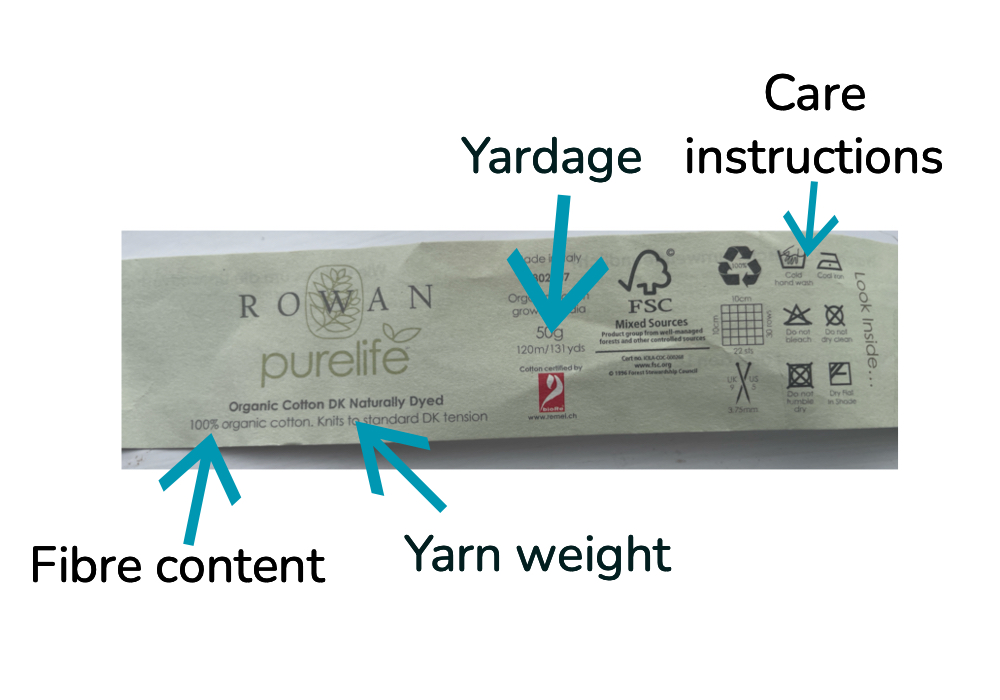
How to Read a Yarn Label
Yarn labels typically show:
Weight category
Fibre content
Yardage/metreage
Recommended needle/hook size
Care instructions
For no needles knitting, focus mainly on:
Weight
Fibre feel
Yardage (to avoid running out)
Choosing the Right Yarn Weight for No Needles Knitting
When selecting yarn, consider:
Project Type
Chunkier yarns work better for arm knitting and beginners.
Desired Texture
Lighter yarn = softer drape
Heavier yarn = thicker structure
Season
DK and 4-ply for lighter wear
Aran and chunky for winter projects
Fibre Content
Natural fibres breathe better.
Synthetic fibres are often more affordable and easier to wash.
Practical Tips
Wind skeins into balls before starting.
Buy enough yarn from the same dye lot.
Start with chunky yarn if you’re new.
Test a small sample before committing to a full project.
Final Thoughts
Understanding yarn weights makes project planning much easier.
For no needles knitting, thicker yarns are often more beginner-friendly and produce quicker results.
Once you’re comfortable, experimenting with different weights allows you to refine texture and finish.
Selecting the appropriate weight for your project
When choosing a yarn weight for your project, it is important to consider the following factors:
Pattern/design
First, consider the pattern or design you will be working with. Take note of any specific yarn weight recommendations mentioned in the pattern instructions. Matching the recommended yarn weight will help ensure that your finished project turns out as intended.
Desired drape/texture/warmth
Thinner yarns, such as lace or fingering weight, will create a delicate and lightweight fabric, perfect for shawls or intricate lacework. For projects that require more structure and warmth, opting for heavier yarn weights like, aran, bulky, or super bulky can provide the desired thickness and coziness.
Seasonality and yarn
Take into account the seasonality of your project when selecting a yarn weight. Lighter weight yarns like 4-ply and DK are ideal for crafting lightweight garments and accessories, whereas heavier weights like aran and chunky are better suited for warm, winter wear.
Fibre content of the yarn
Additionally, consider the fibre content of the yarn. Different fibres can affect the look and feel of your finished project. Wool and wool blends are known for their elasticity and warmth, while natural fibres offer breathability and a lighter feel. The cheaper synthetic fibres, such as acrylic, can provide affordability and durability.
Personal preferences and budget
Don’t forget to consider your personal preferences and budget. Experimenting with different yarn weights and fibre types can be a fun and creative process, so don’t be afraid to try something new.
Keep in mind that luxury or specialty yarns may come at a higher price point, so be sure to factor that into your decision-making process.
Tips for working with yarn
Tip 1
To prevent tangling and knotting, it’s a good idea to wind your yarn into a ball or use a yarn holder before you start working. This will keep your yarn organised and prevent frustrations during your project.
A lot of yarns come in skeins, so what I do is unravel the skeins and re-wind them into balls to make the yarn easier to work with.
Tip 2
Make sure you have enough yarn to finish the project. Some yarns can be quite hard to find or are discontinued, so making sure you buy enough for the project is vital.
Running out of yarn mid-project can be frustrating and may result in difficulty finding an exact colour match.
Tip 3
Make sure you are aware of the fibre content of the yarn you choose, and how to look after it. Certain fibres, like wool, may require special care instructions or may not be suitable for individuals with allergies.
Tip 4
Consider the drape and texture of the yarn. Different projects may require different characteristics, so be sure to choose a yarn that complements the desired outcome.
Tip 5
The best approach to finding the perfect yarn weight for your project is through experimentation and exploration. Do not hesitate to try out different weights and observe how they affect the appearance and feel of your finished creation.
With practice and experimentation, you will develop a keen understanding of selecting the right yarn weight for any project.
Final thoughts
Now that you have a better understanding of yarn weights and how they can affect your projects, you can confidently choose the perfect yarn for your next no needles knitting project.
Remember to consider the weight, fibre content, and project itself when selecting your yarn. And don’t be afraid to experiment with different weights to achieve different results in your projects.
Find out more about the yarns I use here
Happy crafting!