Common No Needles Knitting Mistakes (And How to Fix Them)

No needles knitting is beginner-friendly — but that doesn’t mean mistakes won’t happen.
If you’re just starting out, here are the most common problems and how to correct them.
Using the Wrong Yarn
The Problem:
Thin or slippery yarn can be difficult to control, especially when learning tension.
The Fix:
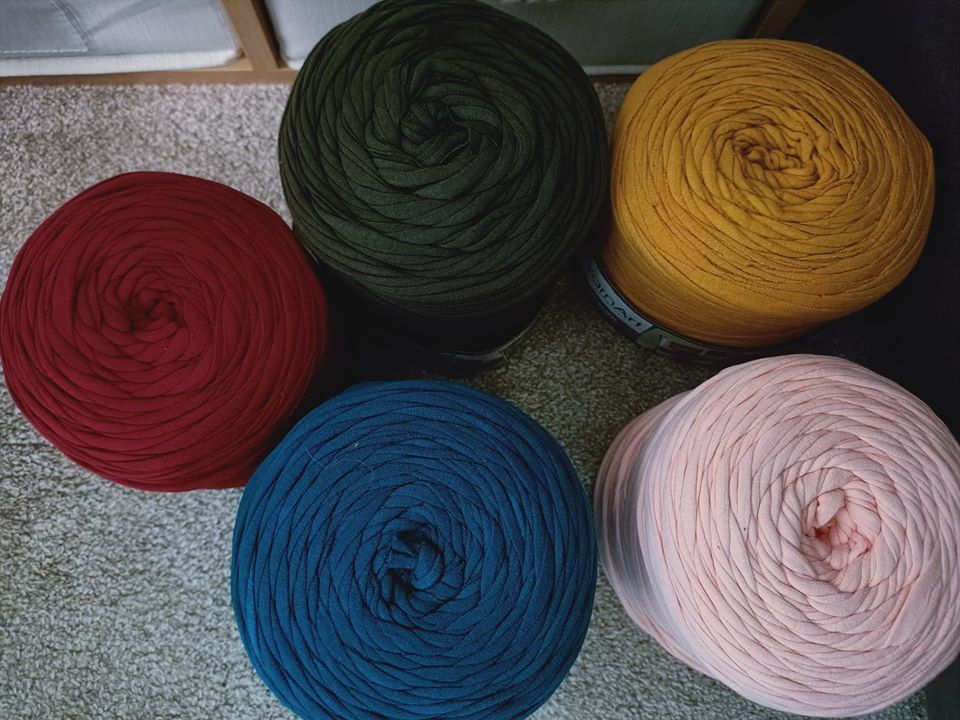
Start with chunky or super chunky yarn. T-shirt yarn works particularly well because it’s thick, slightly stretchy, and easy to see.
Thicker yarn makes stitches easier to identify and correct.
Uneven Tension
The Problem:
Stitches that are too tight or too loose create uneven fabric.
The Fix:
Focus on consistent hand movement rather than pulling tightly.
If your hands feel tense, pause and reset.
Relaxed hands usually produce better tension than gripping hard.
Losing Track of Rows
The Problem:
Uneven lengths or mismatched pieces.
The Fix:
Use:
A row counter
A notebook
Or simple measurements in inches/cm
Building the habit of counting as you go prevents frustration later.
Or make creations that don't really need exact numbers of rows such as a long scarf.
Dropped Stitches
The Problem:
Gaps or loose loops forming in your project.
The Fix:
Check each stitch before moving forward.
If you drop one, gently pull it back into place using your fingers or a crochet hook.
Small corrections early prevent larger fixes later.
Not Binding Off Properly
The Problem:
Edges that unravel or look unfinished.
The Fix:
Learn one secure bind-off method for your chosen technique.
Weaving in ends neatly improves both durability and appearance.
Overstretching the Yarn
The Problem:
Over-pulling reduces elasticity and distorts stitches.
The Fix:
Let the yarn move naturally. Avoid tugging.
Consistent movement matters more than tight tension.
Final Thoughts
Mistakes are part of learning any fibre craft.
The key is recognising them early and knowing how to adjust.
If you’re new to no needles knitting, start with simple projects and thicker yarn to make troubleshooting easier.